2025 in Books
Review of all the books I read in 2025.
Review of all the books I read in 2025.
TL;DR: Deep learning models are black boxes – powerful but opaque. LIME (Local Interpretable Model-agnostic Explanations) explains individual predictions of any model by fitting a simple interpreta...
And What We Actually Know About Knowledge
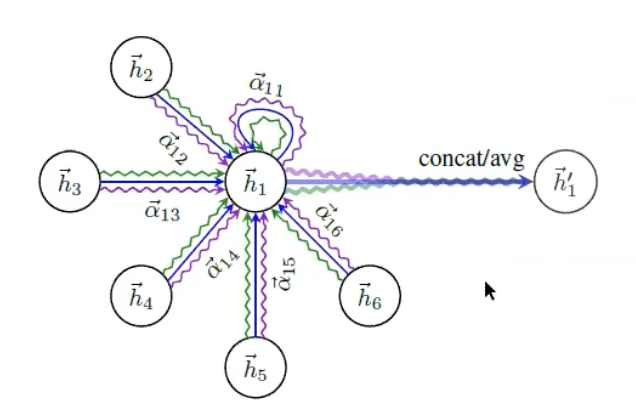
TL;DR: Not all data lives on grids or in sequences. Social networks, molecules, citation graphs – these are naturally graphs, and CNNs and RNNs cannot handle them. Graph Neural Networks solve this ...
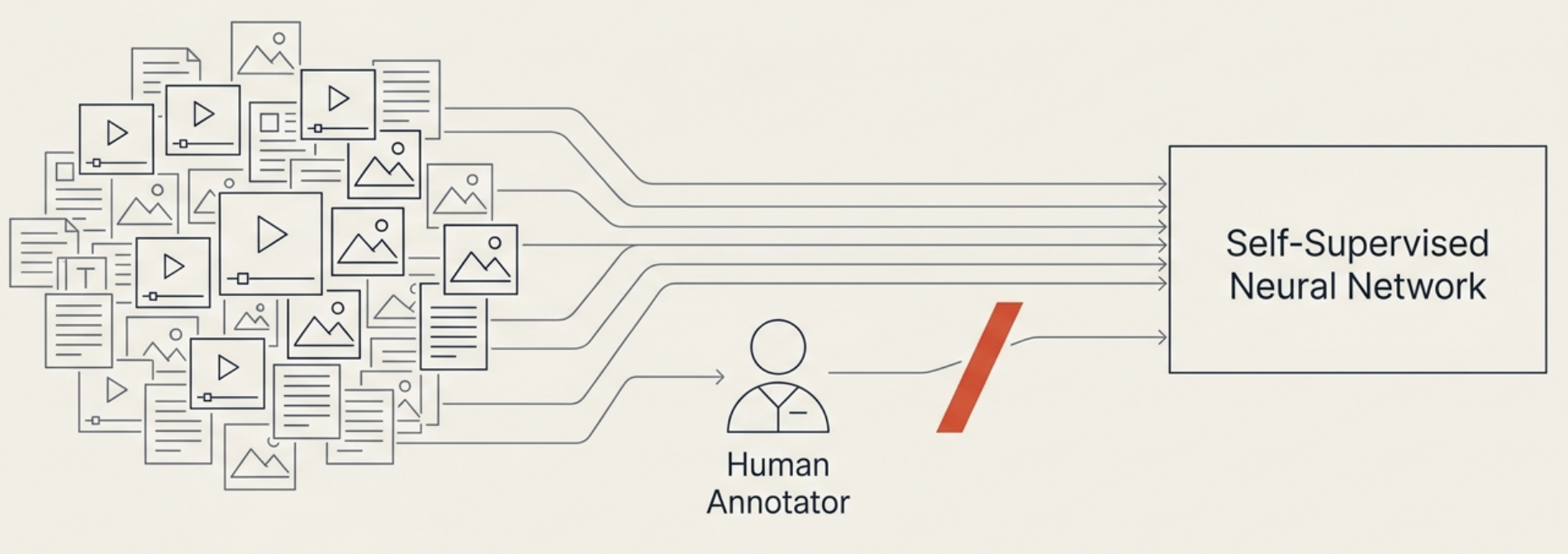
TL;DR: Supervised learning needs labels. Labels are expensive. Self-supervised learning sidesteps this by learning visual representations from unlabeled data. SimCLR does it with contrastive learni...
TL;DR: Standard deep learning needs thousands of examples per class. Humans need one or two. Few-shot learning closes that gap through meta-learning – learning how to learn. MAML finds an initialis...
TL;DR: Diffusion models work because of two things most explanations skip – the score function (gradient of the log-PDF) and Langevin dynamics (an algorithm that turns that gradient into samples). ...

TL;DR: Denoising Diffusion Probabilistic Models generate images by learning to reverse a noise-adding Markov chain. The forward process gradually destroys an image over $T$ steps until only Gaussia...
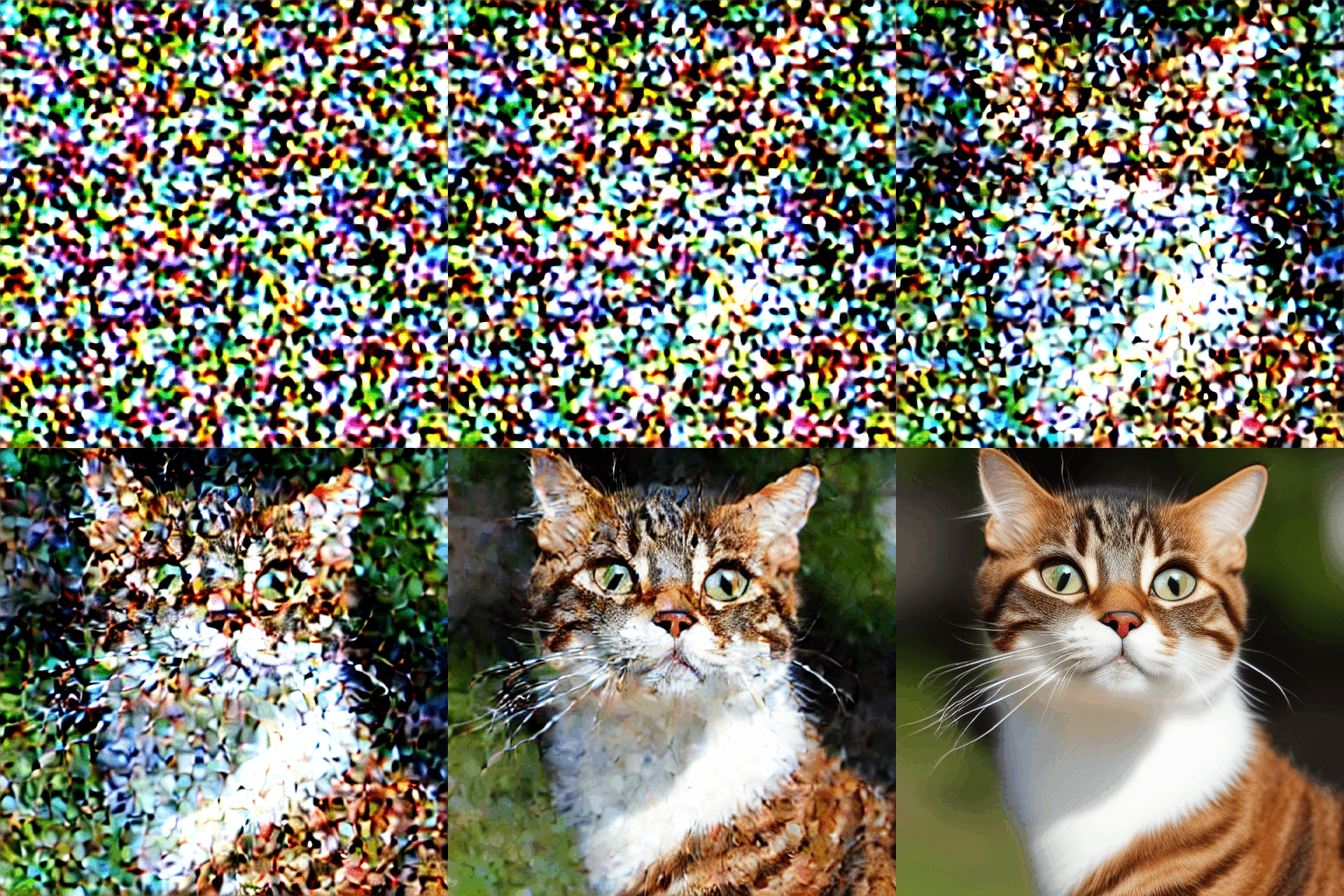
TL;DR: A diffusion model learns a vector field over image space – for every point in a million-dimensional void, it predicts the direction toward the nearest cluster of plausible images. Training r...
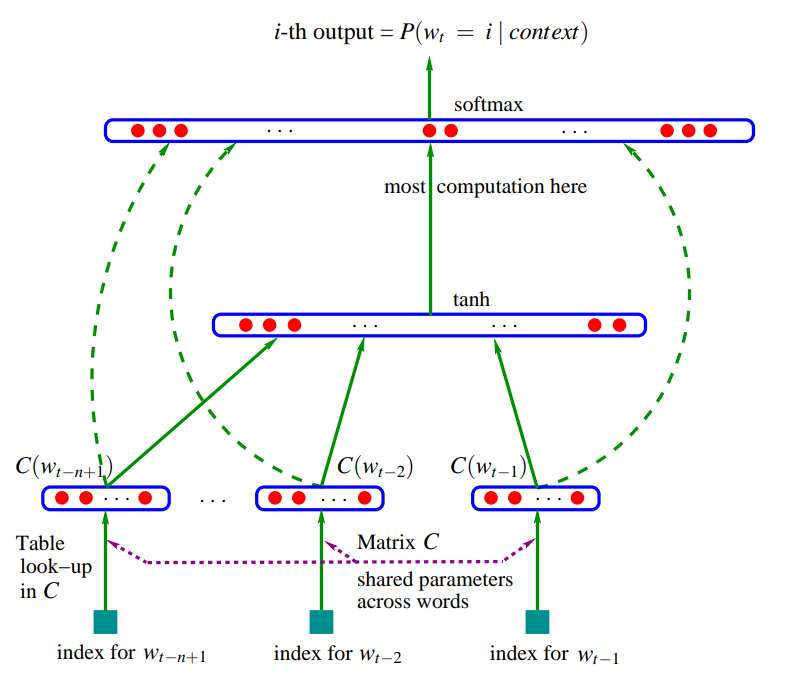
TL;DR: Yoshua Bengio’s 2003 paper “A Neural Probabilistic Language Model” is the Genesis of modern NLP. Before this paper, language models were statistical counting machines. After it, they became ...