
FlashAttention
TL;DR: Standard attention is slow not because of the math, but because of memory traffic. The $N \times N$ attention matrix gets written to and read from GPU HBM multiple times, and that data movem...
TL;DR: Standard attention is slow not because of the math, but because of memory traffic. The $N \times N$ attention matrix gets written to and read from GPU HBM multiple times, and that data movem...
TL;DR: During autoregressive generation, a Transformer recomputes the Key and Value vectors for every previous token at every single step. This is pure waste – those vectors never change. The KV ca...
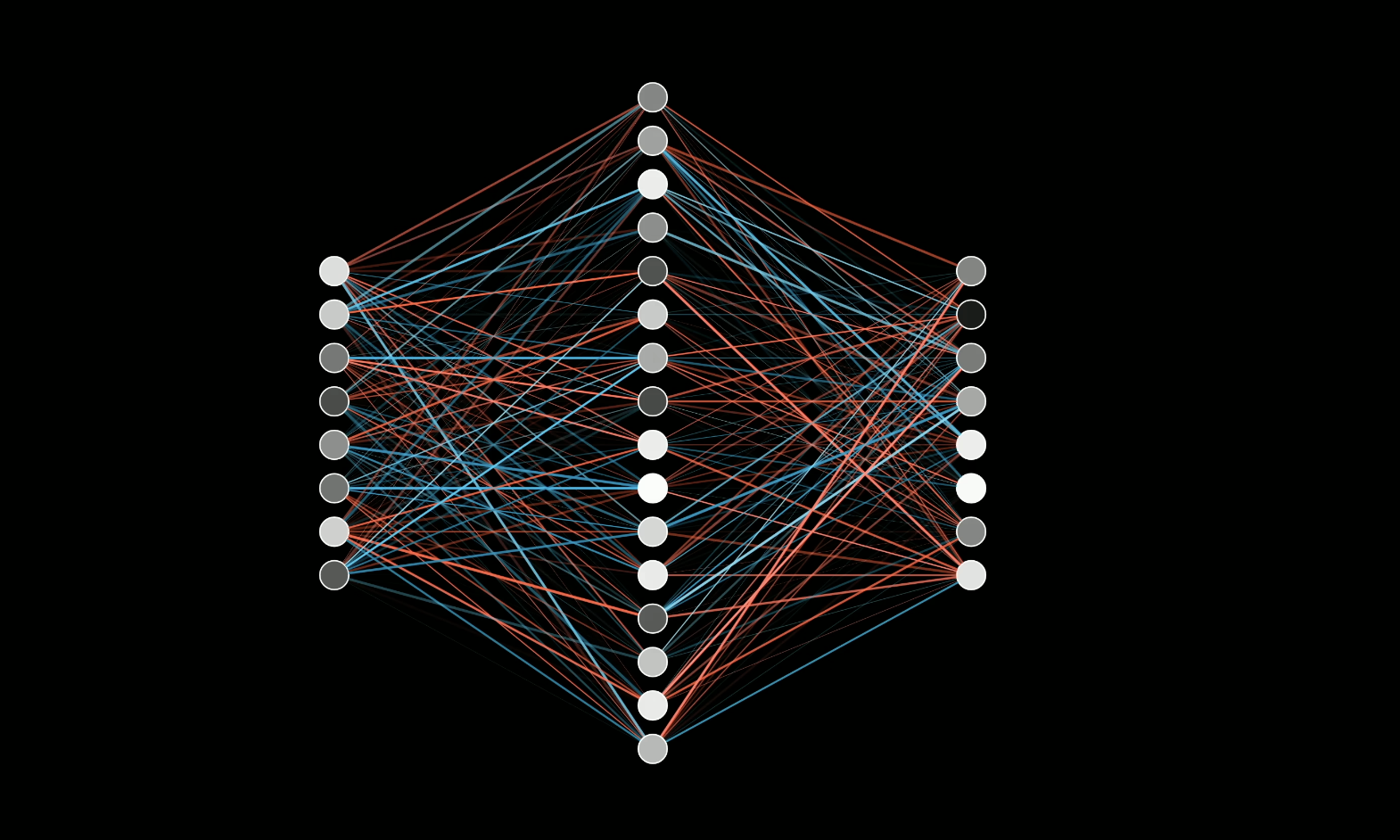
TL;DR: Attention lets tokens talk to each other. But where do the actual facts live – “Michael Jordan plays basketball,” “Paris is in France”? They live in the MLP blocks. Two matrix multiplication...
Talk Trois Log
TL;DR: Attention is the mechanism that lets every token look at every other token and decide what matters. It works through three learned matrices – Query, Key, and Value – that produce similarity ...

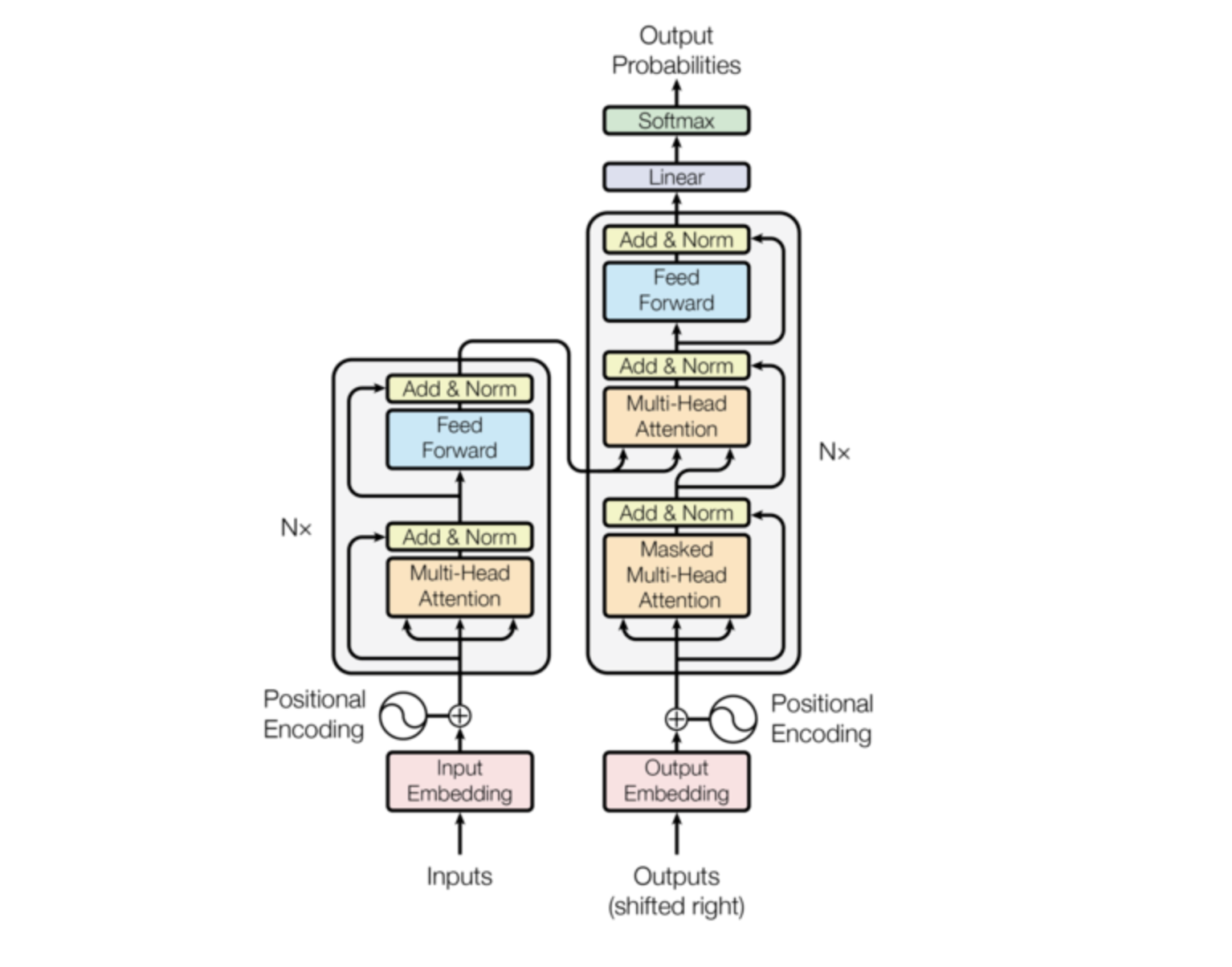
TL;DR: RNNs processed language one word at a time. LSTMs added memory gates but stayed sequential. The Transformer threw all of that out — no recurrence, no convolutions — and replaced it with a si...
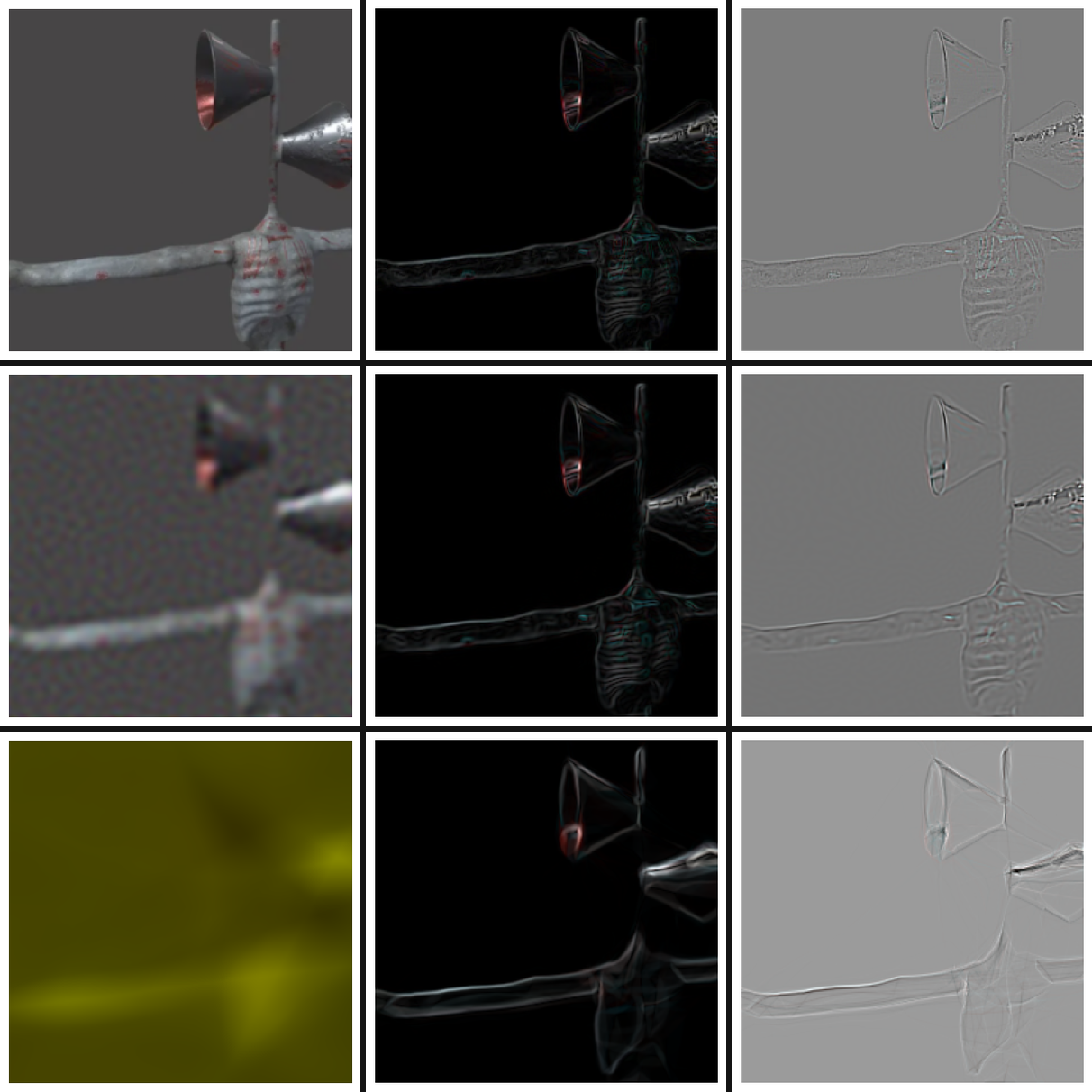
TL;DR: ReLU networks can’t represent fine detail in continuous signals because their derivatives are piecewise constant and their second derivatives are zero. SIREN replaces ReLU with sine activati...
The standard introductory distinction: semantics is what a sentence means; pragmatics is what a speaker means by saying it. “I’m cold” means there is a person and they are experiencing low tempera...
What does it mean to be a JEE dropper? You are 18 or 19 years old. You are not a student — no institution claims you. You are not working. You are preparing for an exam that will, in theory, determ...
Assassin’s Creed’s central philosophical claim — nothing is true, everything is permitted — is one of the more genuinely interesting premises in mainstream gaming. It’s a denial of natural social o...